“Defective bean types” search results (300)

Kinds of defective beans
One of the most important factors affecting the quality of coffee is defective beans. The number of defective beans also affects the grade of coffee. For example, the coffee evaluation method used in Brazil is the "deduction method", which is graded according to the number of defective beans in 300 grams of staple beans per gram.
2014-07-15 Coffee knowledge defective beans types of coffee beans
How many kinds of coffee do you know about the ten kinds of defective beans?
One of the most important factors affecting the quality of coffee is defective beans. The number of defective beans also affects the grade of coffee. For example, the coffee evaluation method used in Brazil is the deduction method, which is graded according to the number of defective beans in 300 grams of staple beans per gram. For example, coffee is hand-selected, so successful hand-selection is also necessary to have a comprehensive understanding of the types of defective beans.
2014-09-05 Ten kinds of coffee defective beans coffee defective beans coffee beans
Classification of coffee beans to distinguish defective beans
Grading by the number of points of defective beans is the earliest classification method, and it is still in use in many parts of Brazil. The method of identification is to randomly take 300 grams of samples and put them on black paper, because black paper can best avoid reflection. Then, examined carefully by the professional appraiser, find out the defective beans in the sample, and accumulate different scores according to the types of defects. For example, one black bean counts as one point.
2016-06-14 Coffee beans grading blemishes distinguishing points is the earliest method.
Identification of coffee beans graded defective beans in coffee producing areas of Kenya
◎ grades defective beans by the number of points, which is the earliest method of grading, and is still in use in many parts of Brazil. The method of identification is to randomly take 300 grams of samples and put them on black paper, because black paper can best avoid reflection. Then, examined carefully by the professional appraiser, find out the defective beans in the sample, and accumulate different scores according to the types of defects. For example, one black bean counts as one.
2016-06-04 Kenya coffee producing areas coffee beans grading blemishes discrimination points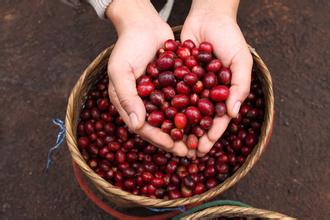
Distinguishing coffee beans and the grading of coffee beans teaches you how to distinguish coffee beans.
● distinguishes the key names and specifications of coffee beans the name of the port of export of ● can tell the shipping route from the name of the port of exit marked. Coffee from the same origin or the same brand has a certain route, so it is also exported from the same port. For example, if it is marked "Brazil." "Santos" means that this is coffee exported from Santos, with the exception of those marked "mocha".
2016-01-11 Distinguish coffee beans and grading teach you to master how essentials distinguish coffee
Common sense of graded coffee to distinguish between coffee beans and coffee beans
● distinguishes the key names and specifications of coffee beans the name of the port of export of ● can tell the shipping route from the name of the port of exit marked. Coffee from the same origin or the same brand has a certain route, so it is also exported from the same port. For example, if it is marked as "Brazil. Santos", it means that this is coffee exported from Santos, but the one marked "Mocha" is taken as an example.
2015-04-15 Distinguish coffee beans and grading coffee common sense discrimination essentials names
Fine coffee beans: teach you to distinguish coffee beans and coffee beans graded coffee basics
● Key to distinguish the name and specification of coffee beans ● Export port name From the indicated export port name, you can know the route of transportation. Coffee of the same origin or brand has a certain route, so it is also exported from the same port. For example, if the label is "Brazil." Santos "means it's coffee coming out of Santos, except when it's marked mocha.
2015-12-15 boutique coffee beans teach you distinguish and grade coffee primer basics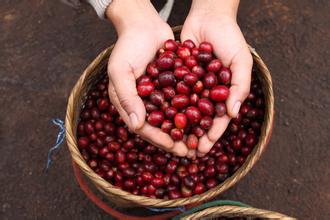
Distinguish coffee beans and the grading of coffee beans how to distinguish the quality of coffee beans coffee knowledge
● distinguishes the key names and specifications of coffee beans the name of the port of export of ● can tell the shipping route from the name of the port of exit marked. Coffee from the same origin or the same brand has a certain route, so it is also exported from the same port. For example, if it is marked "Brazil." "Santos" means that this is coffee exported from Santos, with the exception of those marked "mocha".
2016-01-23 Distinguish coffee beans and grading how quality good or bad coffee knowledge discrimination
Kenyan coffee beans graded by the number of defective beans Introduction to fine coffee
This is the earliest grading method and is still in use in many parts of Brazil. The method of identification is to take a random sample of 300 grams and put it on black paper, because black paper can best avoid reflection. Then, professional appraisers carefully inspect the samples to find defective beans and accumulate different scores according to the types of defects. For example, one black bean counts as one.
2016-07-02 blemish points rating kenya coffee beans presentation boutique coffee
Purification of coffee beans semi-washing coffee bean treatment
Semi-washing type is a mixture of drying type and water washing type, and it is also a compromise between the two. The practice is to wash the coffee beans in water, remove all the pulp of the coffee with a machine, dry it in the sun, and end it in use. What is different from the water washing refining method is that in this process, the coffee fruit is put into the fermentation tank, and the quality is more stable than the dry one. BA
2015-11-04 Coffee beans preparation washing treatment drying mixed type also both medium![[literacy] have you made a clear distinction between the coffee bean grading criteria? (below)](https://www.coffeesearch.net/uploads/151014/3-151014134400423.jpg)
[literacy] have you made a clear distinction between the coffee bean grading criteria? (below)
There are different ways to manage the origin of coffee beans, some are composed of large and small farmers, some are dominated by professional business owners, even if the coffee in the same place, its quality and flavor are also different, in order to mark the quality of coffee, but also in order to make the transaction more convenient, so there is coffee grading. Highly classified by origin: Guatemala, brother
2015-10-14 Literacy coffee beans grading standards distinction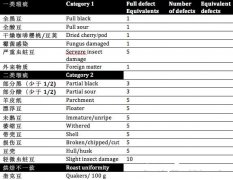
Introduction to the varieties of defective coffee beans
Coffee beans have many flaws, and there are a variety of flaws. There are many reasons for defects. Defects may affect our taste experience of coffee at different levels, and may also affect our health. However, many defects that can be clearly seen in raw beans can be quickly invisible once baked. Therefore, most of the coffee cooked beans we usually see are uniform in appearance and consistent in appearance.
2015-01-08 Boutique coffee knowledge defects varieties introductions coffee beans many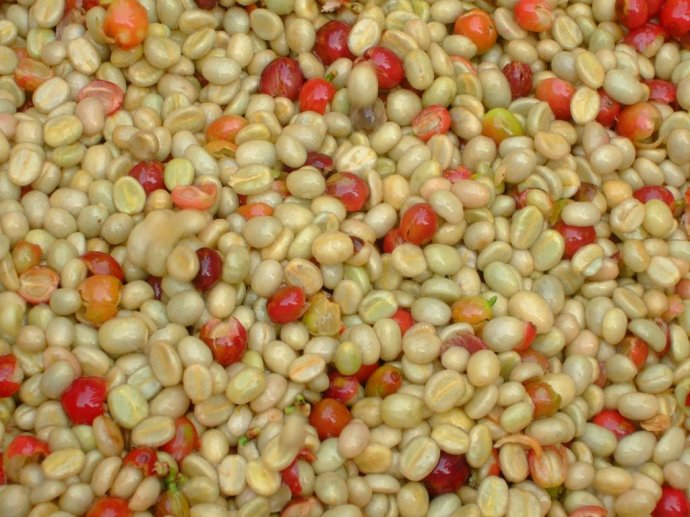
The treatment method of Coffee Fruit after picking to Raw Bean introduction of semi-washing exquisite treatment of Coffee Bean
Semi-washing type is a mixture of drying type and water washing type, and it is also a compromise between the two. The practice is to wash the coffee beans in water, remove all the pulp of the coffee with a machine, dry it in the sun, and end it in use. What is different from the water washing refining method is that in this process, the coffee fruit is put into the fermentation tank, and the quality is more stable than the dry one. BA
2016-01-16 Coffee fruit picking raw beans treatment method coffee beans washing refinement introduction
First knowledge of Coffee roasting-- defective beans
Defective beans have a great influence on the taste of coffee
2014-06-10 Coffee knowledge defective beans Coffee Encyclopedia
Colombian coffee is classified according to defective beans.
According to the classification of defective beans, defective beans can be divided into two types:-first: called first-class defects-second: called second-level defects. First: main defects (defects that affect the taste characteristics of coffee): black beans. Private exporters of moldy beans or sour beans: no more than 12 national coffee committees: no more than 8 first-level defective beans, second: secondary defects
2015-04-15 Columbia coffee grading according to defect classification basis score
Flavor description of Tanzania Kilimanjaro Coffee processing methods of Fine Coffee beans in Variety producing areas
First: choose good quality coffee beans, because the use of poor quality coffee beans, of course, will greatly damage the flavor of coffee, even if the production of a very balanced single coffee, but also can not make delicious coffee, the choice of good quality coffee beans is the biggest point. Second: get rid of defective beans, mixed with defective beans, the taste will become worse. So we should get rid of the defective beans without stinginess.
2016-09-29 Tanzania Kili Mazar Luo coffee coffee flavor description variety producing area
Colombian coffee grading
According to the classification of defective beans, defective beans can be divided into two types:-first: called first-class defects-second: called second-level defects. First: main defects (defects that affect the taste characteristics of coffee): black beans. Private exporters of moldy beans or sour beans: no more than 12 national coffee committees: no more than 8 first-level defective beans, second: secondary defects
2014-08-22 Coffee knowledge Columbia coffee grading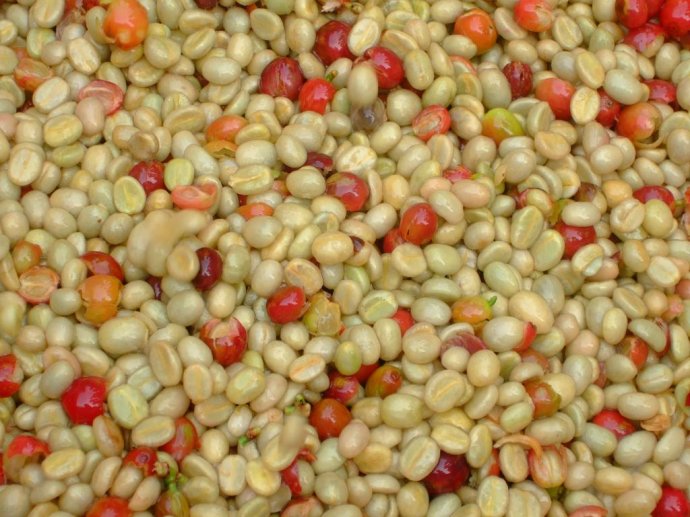
The purification of coffee beans-the source and operation points of coffee semi-washing method are introduced in detail.
Semi-washing type is a mixture of drying type and water washing type, and it is also a compromise between the two. The practice is to wash the coffee beans in water, remove all the pulp of the coffee with a machine, dry it in the sun, and end it in use. What is different from the water washing refining method is that in this process, the coffee fruit is put into the fermentation tank, and the quality is more stable than the dry one. BA
2015-12-29 Coffee beans processing way washing drying mixed type also both neutral do
Colombian coffee raw bean grading method
One: according to the defect rate, the number of defective beans allowed per 500 gr sample:-Private raw bean exporter: 72 defects-National Coffee Council: 42 defects defective beans are divided into two types:-first: known as first-level defects-second: called second-level defects first: main defects (defects that affect coffee taste characteristics): black beans, moldy beans.
2014-09-11 Coffee knowledge Colombian coffee beans coffee encyclopedia
Colombian coffee raw bean grading method
One: according to the defect rate, the number of defective beans allowed per 500 gr sample:-Private raw bean exporter: 72 defects-National Coffee Council: 42 defects defective beans are divided into two types:-first: known as first-level defects-second: called second-level defects first: main defects (defects that affect coffee taste characteristics): black beans, moldy beans.
2015-11-03 Columbia coffee raw beans grading according to defect rate 500 samples beans